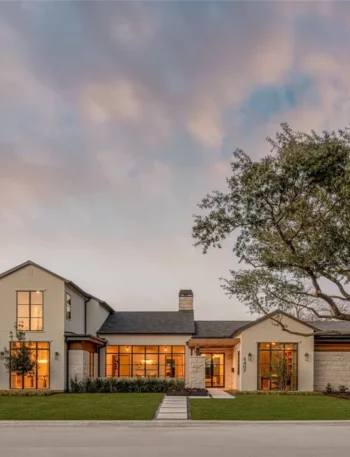

Some suburbs rise because a metro gets hot; the better ones hold because daily life keeps making sense after the headlines fade. For buyers watching Round Rock Texas, the story is not only about being near Austin or having a famous tech name on the map. It is about a city where work, roads, shopping, schools, medical care, and weekend life sit close enough together to reduce friction. That matters when mortgage rates pinch and buyers grow picky. A house near a steady job center does not become immune to price cuts, but it can earn more second looks than a house built only on growth hype. Local owners, agents, and small firms tracking regional business visibility can read the signal here: the Dell campus gives the market a backbone, but the city’s wider daily usefulness keeps the spine from carrying the whole body. Austin suburb real estate works best when the suburb has its own reason to exist.
Why Round Rock Texas Holds Value When Austin Gets Choppy
The Austin area can swing hard. Buyers rush in when tech hiring feels endless, then step back when rates rise or employers slow hiring. Round Rock sits in that same weather, yet it has a different shape than a pure bedroom suburb. Its value case begins with location, then gets stronger through city services, jobs, and the habit of staying useful to people who do not want Austin prices or Austin traffic every day. A city does not need to beat Austin at being Austin. It needs to solve the problems Austin creates for buyers who still want Central Texas income, culture, and access.
Why proximity to Austin is only the first layer
Being north of Austin helps, but distance alone does not protect home equity. Plenty of suburbs can claim a commute path. The better question is what a resident can do before ever joining I-35. In Round Rock, a household can get to major retail, health care, schools, parks, and office campuses without turning each day into a drive across the metro.
That is the hidden stabilizer. A buyer comparing houses may start with square footage and monthly payment, then the choice gets personal. Who can pick up a child after practice? How far is the clinic? Can one adult work near home while the other heads into Austin? Those small answers turn into demand. They do not make headlines, but they hold markets together.
Look at the way a normal weekday works. A parent may leave a neighborhood near Gattis School Road, drop a child at school, head to an office park, grab dinner near University Boulevard, and still make it home before dark. That chain of ordinary errands creates a kind of value that a glossy listing cannot fake. The house is not only near Austin. It fits a life. That is why a buyer may choose an older home here over a newer one farther out. The newer home may win the photo test, while the better-located home wins the Tuesday-night test.
Why city planning matters more than a hot ranking
A ranking can bring search traffic. It cannot fix a bad intersection or a weak tax base. Round Rock’s edge comes from the dull work cities do between boom cycles: road capacity, utilities, parks, public safety, and long-range land planning. That work sounds plain until you are buying a house and asking whether the city can handle more people.
Here is the counterintuitive part. Fast growth can hurt home values when it outruns services. Buyers love new restaurants and fresh rooftops, but they punish a place when traffic, school crowding, or water doubts become daily stress. Round Rock’s long public focus on infrastructure gives the real estate story more weight than a lifestyle pitch. It tells buyers the city knows growth has a cost.
This matters for sellers too. A well-kept home in a city with visible public upkeep feels easier to defend at the negotiating table. The buyer may still ask for concessions, yet the seller has a stronger answer than “prices went up last year.” The answer is practical: people keep moving here because the city works. That phrase sounds plain, but plain can sell. Buyers who feel stretched do not want a civic experiment. They want evidence that streets, parks, utilities, and services can keep up.
Dell Campus Housing Demand Creates a Floor, Not a Ceiling
Dell campus housing demand is easy to overstate and easy to dismiss. Both mistakes miss the point. The headquarters presence is not magic dust sprinkled on every subdivision. It is a steady source of professional employment, business traffic, vendors, relocations, and local confidence. That kind of anchor can soften market drops, yet it does not replace pricing discipline. The smart way to read the campus is as a floor under buyer interest, not a ladder that pulls every property higher on command.
What a major employer changes for nearby neighborhoods
A large employer changes the buyer pool before a house even hits the market. Some workers want a short commute. Some vendors want a Central Texas base. Some remote or hybrid employees want to stay near headquarters without paying central Austin prices. Those buyers may not all bid at once, but they create layers of interest.
Think of a three-bedroom home near good road access. A first-time buyer sees a place to grow. A Dell employee sees less time on the road. A landlord sees a rental pool with office workers, medical staff, and families. A seller does not need every group to show up. Two strong groups can keep showings alive when the broader market cools.
Dell campus housing demand helps most in the middle of the market, where buyers care about payment, commute, and resale all at once. Luxury buyers may chase views or custom finishes. Entry buyers may chase the lowest monthly cost. The middle buyer often asks the hardest question: will this home still make sense if my job, schedule, or family needs change? Proximity to a known employment center helps answer that question, but it helps most when the house also has good bones, clean access, and a neighborhood people understand fast.
Why the campus is a stabilizer, not a guarantee
A single company can never carry a whole housing market safely. Tech firms change teams, shift office rules, cut roles, and move work. The reason the Dell campus matters here is that Round Rock has spent decades building around it without becoming only that. The city now has health care, retail, logistics, entertainment, and other corporate employers in the same orbit.
That mix reduces one-employer risk. It also gives Dell more local meaning. The campus supports restaurants, contractors, hotels, service firms, and office demand, while those other uses make the city more livable for Dell’s own workforce. A suburb that depends on one badge swipe feels exposed. A suburb where one campus feeds a wider job web feels sturdier.
The city’s long agreement with Dell adds another signal. It does not promise rising home prices, and no buyer should read it that way. It does show that the relationship has roots. In real estate, roots matter because people make thirty-year decisions with imperfect information. A long employer-city tie gives them one less unknown to fear. That does not remove risk. It changes the kind of risk. Instead of wondering whether the city has a real employment base, buyers can spend more time judging the property itself.
Austin Suburb Real Estate Works When Daily Life Beats Hype
Austin suburb real estate often gets sold through a simple promise: live outside the city, pay less, and keep access to the metro. That pitch is too thin for today’s buyer. People want the lower-stress version of the metro, not a life spent crossing it. Round Rock has a stronger case because it offers pieces of a full city, not only a cheaper address near Austin. That distinction matters when buyers compare a monthly payment against the life they will lead after closing day.
How schools, hospitals, and errands support resale
Real estate value starts with the buyer’s next chapter. A family may want school access. A nurse may want a shorter drive to a medical center. A parent may care more about grocery trips than nightlife. A retiree may want a suburb with parks, doctors, and family nearby. When these needs overlap in one city, resale demand gets broader.
That broad demand helps sellers because the next buyer does not have to look exactly like the last owner. A home can appeal to a tech worker this year, a medical employee next year, and a family moving from another Texas metro after that. You can see the same logic in suburban relocation planning, where the safest choice is often the place with several demand lanes, not the place with one exciting story.
A buyer touring on a Saturday may not say, “I am buying health care access.” Yet that buyer notices the medical offices, the grocery options, the ball fields, and the short errand loops. Those details lower the mental cost of moving. When a house makes the move feel simple, buyers forgive fewer cosmetic flaws, but they stay interested longer. The best listings make that easy to see. They show the commute path, the school route, the nearby grocery run, and the reason the block feels usable.
Why lower drama can be a market advantage
Some buyers want the loudest growth story. Many do not. They want a house that will not feel like a bet on one news cycle. Round Rock’s appeal is often calmer than Austin’s, and that may be the point. Less drama can help a buyer feel safer making a long-term decision.
The non-obvious insight is that “less exciting” can become a premium when monthly payments climb. At a lower rate, buyers may chase style, views, or buzz. At a higher rate, they ask harder questions. Can I keep this house if my commute changes? Can I rent it if life shifts? Will another buyer understand the location fast? Round Rock answers those questions better than many suburbs built around one subdivision trend.
This is where older neighborhoods can surprise people. A newer build may photograph better, but an older home near mature roads, parks, and employers can feel safer to a cautious buyer. The market does not always reward the newest roofline. Sometimes it rewards the place that already proved it can carry daily life. That is a hard lesson for investors who chase only newness. The market often pays for confidence, and confidence often comes from a location that has already survived more than one cycle.
Central Texas Home Values Depend on More Than One Employer
Central Texas home values do not move from one cause. They react to rates, inventory, wages, migration, construction, taxes, insurance, and confidence. Dell matters in Round Rock, but the healthier view is to see the campus as one part of a local system. If you treat it as the whole system, you will either overpay from excitement or miss good houses from fear. The stronger read is slower: identify demand sources, then test whether the specific property can benefit from them.
How to read local data without getting fooled
A metro price chart can hide neighborhood differences. The Austin-Round Rock market may show one median listing price, while one subdivision faces more price cuts and another holds firm because it has better commute access or school demand. Public snapshots from places like the U.S. Census Bureau QuickFacts help frame income and population, but a buyer still needs street-level judgment.
That means watching inventory, days on market, seller concessions, rent demand, and the condition of competing homes. If five nearby sellers cut prices at once, the market is speaking. If clean homes near job routes still move while stale listings sit, the issue may be pricing or condition, not weak demand. Data gives the map. The block gives the answer.
For current market context, buyers can compare public trend pages with local listing behavior, then ask an agent to explain gaps instead of hiding them. A median can rise while your target subdivision softens. A metro can cool while one school zone holds. The smart reader treats data as a starting point, not a verdict. This is why a buyer should ask for both the chart and the story behind it. Numbers show movement. Local context explains whether that movement matters for the house in front of you.
What investors should check before trusting the headline
Investors should not buy “near Dell” as if those words finish the analysis. They should check the actual drive, school zoning, HOA rules, property taxes, insurance costs, lease competition, and repair age. A house ten minutes from a campus can still be a poor rental if the layout is awkward or the neighborhood has too many similar listings.
A better screen starts with resilience. Ask whether the property can attract more than one renter profile. Ask whether the rent still works after vacancy and maintenance. Ask whether the exit buyer could be an owner-occupant, not only another investor. This is where rental property due diligence matters. Central Texas home values reward patience when the buyer can separate a real demand source from a marketing label.
One useful test is the “bad month” test. If rent comes in late, the air conditioner fails, and another rental nearby drops its asking price, does the property still make sense? A home near an employer anchor may pass that test more often, but only when the numbers had room to breathe from day one.
Conclusion
Round Rock’s housing strength is not a mystery, and it is not a fairy tale either. The city benefits from Austin access, a major tech headquarters, medical and retail depth, and the plain comfort of being able to live much of your life close to home. That combination gives Round Rock Texas a steadier value story than suburbs that depend only on cheap land or one wave of buyers. Still, stability does not mean every listing is safe at every price. Buyers should study the street, the commute, the tax bill, and the next likely owner before they fall in love with a kitchen photo. Sellers should respect the market instead of assuming the Dell name will do all the work. A fair price, clean condition, and honest reading of demand still matter more than civic pride. Owners who understand that balance can market with confidence without sounding careless. Buyers who understand it can move faster when the right house appears and walk away when the numbers turn thin. The best opportunity sits between hype and fear: choose a home that works for daily life, then let the employer base add support in the background. That is how smart local real estate decisions age well.
Frequently Asked Questions
Is Round Rock a good place to buy a home near Austin?
Yes, it can be a smart choice for buyers who want Austin access without giving up suburban comfort. The strongest fit is usually for people who value commute options, schools, shopping, medical access, and resale demand from more than one buyer group.
Does the Dell campus raise nearby home prices?
It can support demand, but it does not automatically raise every nearby home. Price still depends on condition, layout, taxes, schools, inventory, and buyer competition. The campus works best as a demand stabilizer, not as a shortcut around normal due diligence.
Is living near Dell worth paying more for?
A modest premium can make sense if the location cuts commute stress and stays useful for future buyers or renters. Paying too much is risky, though. Compare similar homes farther away, then decide whether the time savings and resale pool justify the difference.
What types of buyers are attracted to Round Rock?
The city attracts tech workers, health care employees, families, remote workers, and buyers priced out of central Austin. That mix matters because a seller does not depend on one buyer profile. Broader demand can help a home compete in slower markets.
Are Round Rock homes safer during market downturns?
No home is fully protected from a downturn. Still, areas with jobs, services, good access, and steady population demand may hold interest better than locations built mainly on speculation. The safest homes are priced well and solve daily problems for buyers.
Should investors buy rental property near the Dell campus?
They should consider it only after checking rent comps, taxes, HOA limits, repairs, and vacancy risk. A nearby employer can help tenant demand, but the property still needs strong numbers. The best rental can appeal to several tenant types.
How does Round Rock compare with Austin for homebuyers?
Round Rock often gives buyers more space and a calmer suburban routine, while Austin offers denser city life and shorter access to downtown culture. The better choice depends on commute, budget, schools, lifestyle, and how long the buyer plans to stay.
What should sellers mention when marketing a Round Rock home?
Sellers should highlight commute access, nearby employers, parks, schools, health care, shopping, and home condition. The strongest listing story connects the property to daily convenience. A vague “near Austin” pitch is weaker than clear proof of how the home makes life easier.