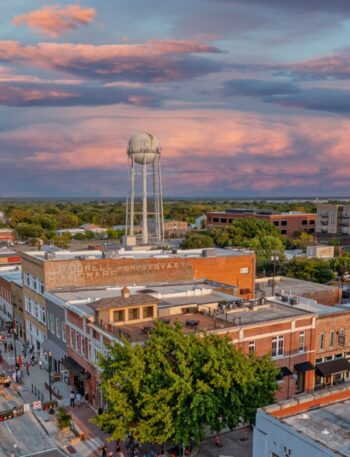

Frisco did not become a national housing story by accident. Buyers, sellers, builders, and investors keep studying the city because few real estate markets show the same mix of job pull, family demand, sports-driven identity, and long runway for growth. It sits inside North Texas, but it no longer feels like a quiet suburb waiting for Dallas to define it.
For anyone comparing homes, relocation options, or long-term property moves, Frisco offers a clear lesson: demand follows places where daily life feels organized. Strong schools, polished retail centers, corporate campuses, trails, youth sports, and planned districts all work together. That is why local owners, relocation families, and small brands watching regional growth opportunities pay attention here.
Still, Frisco is not cheap, and that matters. A good city can still become a poor buy when the payment is stretched too far. The better question is not whether people like the city. They do. The sharper question is whether the price still makes sense for your stage of life, your income, and your risk tolerance. Frisco can be a smart move, but only when the numbers support the story.
Why Real Estate Markets Watch Frisco So Closely
Frisco gets watched because its growth has a pattern behind it. Plenty of suburbs add rooftops. Fewer build a full identity around work, school, sports, dining, public safety, and planned mixed-use districts. The city’s own population estimate has moved well past 240,000, while the U.S. Census Bureau’s Frisco QuickFacts page shows a steep climb since 2020. That creates the first tension for buyers: the city feels established, yet it still behaves like a place with more chapters left. It has the confidence of a mature suburb and the appetite of a growth city. That unusual mix is why national relocation stories keep circling back to it. For local officials, the challenge is not only adding homes. It is keeping roads, schools, parks, and public services from feeling late to their own growth story. That is the part outside buyers often miss when they only see glossy rankings.
Growth That Feels Planned, Not Accidental
A drive across Frisco tells you more than a chart can. You pass master-planned neighborhoods, school campuses, medical offices, sports venues, townhome pockets, and retail districts that were not dropped in at random. They were layered over time, and that layering changes how people judge value.
That is one reason the Frisco housing market does not act like a simple bedroom-community story. A buyer may work in Plano, Dallas, McKinney, The Colony, or from a home office near the Dallas North Tollway. The home search is not only about distance to downtown Dallas. It is about how much life can fit inside a 15-minute local routine.
The non-obvious insight is that polish can create pressure. A well-planned city can make buyers feel safer about paying a premium, but it can also make value harder to judge. Two houses with the same square footage may land in different buyer pools because one sits closer to a school feeder pattern, a tollway ramp, or a district where weekend life feels easier. That is the Frisco premium in plain terms: not more house, but fewer daily compromises.
The Attention Comes From Jobs, Sports, and Schools
Frisco’s brand is not built on one employer. That matters. The PGA of America headquarters, sports venues, corporate expansions, medical offices, and business relocation activity all feed the same perception: this is a city where professional families can plant themselves without feeling far from opportunity.
That perception has teeth. When a household moving from California, New York, Illinois, or another high-cost state compares North Texas options, Frisco often shows up near the top because it gives them suburb comfort without sleepy suburb energy. There is a difference. A quiet cul-de-sac still works, but it sits near offices, restaurants, sports facilities, and shopping that keep the week moving. Schools add another layer. Even buyers without children understand that school reputation supports future resale demand, while youth sports facilities, parks, and family-focused amenities make the city feel usable, not merely attractive.
The risk is that brand strength can hide trade-offs. A family may fall for Frisco’s reputation and then discover the monthly payment stretches too far once taxes, insurance, HOA dues, and upkeep enter the picture. Attention helps resale, but it does not pay the mortgage. That sentence should stay in every buyer’s head during a home tour.
What Buyers Notice Before They Walk a House
Once buyers move from online research to actual showings, Frisco becomes more personal. The home is only one part of the decision. The commute, the school boundary, the age of the subdivision, the nearby retail, and the feel of each street begin shaping the math. This is where smart buyers slow down, because Frisco’s best listings often sell the lifestyle before the house has answered the hard questions. A pretty kitchen can distract you for ten minutes. A poor fit can bother you for years. The best search starts with a map, a monthly budget, and an honest look at how your household moves during a normal week. That sounds plain, but it beats falling in love with a listing that works only on Saturday afternoon.
Why Frisco Housing Market Pricing Feels Different From Cheaper Suburbs
The Frisco housing market often looks expensive next to nearby options like Little Elm, Aubrey, Anna, or parts of Denton County. That price gap is not random. Buyers are paying for access, name recognition, school reputation, and a built-out lifestyle package. They are also paying to avoid some uncertainty that comes with early-stage growth farther out.
A $650,000 home in Frisco may not feel large compared with a newer house farther north. That can frustrate buyers who shop by square footage first. Yet many households still choose Frisco because they want shorter drives to established job corridors, stronger resale confidence, and less waiting for future retail or road improvements. The house may be smaller, but the surrounding system is more mature.
Here is the counterintuitive part: the cheaper house is not always the more affordable life. A lower mortgage can lose some of its advantage if the commute is longer, the resale pool is thinner, or the area still needs years of commercial buildout. That does not make Frisco the right answer for everyone. It means the comparison has to include time, stress, and exit value, not only price.
When Location Beats a Bigger Floor Plan
A buyer touring homes near Stonebriar, Phillips Creek Ranch, Newman Village, or the west Frisco corridors may notice a pattern. Some homes are not the largest in the search area, yet they draw strong interest because the setting solves daily problems. A floor plan gets attention online. A ten-minute grocery run wins the week.
A smaller home close to work, sports practice, grocery runs, and weekend dining can beat a larger house that adds friction to every weekday. Parents feel this fast. So do remote workers who still want quick access to airports, client meetings, gyms, and restaurants. The value is not abstract when your evening depends on one less long drive.
This is why DFW suburb housing trends should be read through lifestyle, not only listing price. In Frisco, location is not a vague selling point. It can mean fewer late pickups, less highway fatigue, and better odds that family routines do not fall apart by Thursday night. Still, buyers should not romanticize convenience. Paying extra for a location only works if the home fits your budget after real ownership costs, because Frisco rewards disciplined buyers and can punish emotional ones.
Why Investors Study Frisco Differently Than Flippers
Investors often look at Frisco with mixed feelings. Demand is steady, but entry prices are high. That makes the city less friendly to quick bargain hunting and more interesting for long-hold strategy. You are not usually buying Frisco because it is ignored. You are buying because many other people already understand why it matters, which means the easy discount was probably gone before the listing reached your screen. The market asks investors to be patient. It also asks them to know the difference between a fine property and a fine return. A flip-minded buyer may see new paint and fresh floors. A long-hold buyer looks harder at tenant depth, future competition, and whether the home can carry itself through a softer season.
DFW Real Estate Demand Is Not One Single Story
DFW real estate covers a wide set of markets. Dallas, Fort Worth, Plano, Arlington, Denton, McKinney, Prosper, and Frisco do not move in the same rhythm. A headline about cooling prices across Texas does not tell you what is happening inside one Frisco neighborhood, one price band, or one school zone.
Frisco has another layer that investors watch: mixed-use development. Office, retail, entertainment, medical, and residential projects create different forms of demand. A renter moving for a job may want a townhouse near a tollway. A family may want a single-family rental near a school. A downsizing owner may want low-maintenance living near dining. Each demand stream behaves differently.
The non-obvious point is that Frisco’s strength can lower investor returns at purchase. When everyone trusts the market, fewer deals look cheap. That means investors need patience, clean numbers, and a clear exit plan. Hope is not a strategy here. Neither is buying a property only because the city name sounds safe.
Rental Math Gets Tighter When Quality Rises
A well-kept Frisco rental can attract stable tenants, but the numbers must survive the purchase price. Taxes, insurance, maintenance, HOA rules, and vacancy risk can shrink margins fast. A landlord who only looks at rent headlines may miss the cost side. This is where many out-of-state investors misread the city.
For example, a newer single-family home near a respected school may lease well, yet the monthly spread may be thin after debt service. A townhome may be easier to maintain, but HOA fees can change the return. A luxury property may attract a smaller tenant pool than expected. Good tenants are valuable, but they cannot fix a weak basis.
DFW real estate investors who do well in Frisco often think less like bargain hunters and more like asset managers. They ask boring questions. How old is the roof? What is the HOA history? How many similar rentals are nearby? Will this floor plan still appeal in seven years? That sounds dull. Good investing often does.
The Risks Buyers Should Not Ignore
Frisco’s appeal is real, but no city rises in a straight line forever. Higher mortgage rates, insurance costs, builder incentives in nearby suburbs, and buyer fatigue can all shift the balance. A watched market is not the same thing as a risk-free market. In fact, the attention can make mistakes more expensive because buyers are tempted to treat reputation as proof. The city may be strong, but the wrong house at the wrong payment can still become a burden. This is where Frisco demands adult math. The name on the mailbox does not protect you from rate changes, repair bills, appraisal gaps, or the stress of owning more house than your budget can calmly support.
Inventory Can Rise Even While Demand Stays Solid
One common mistake is assuming that strong demand always means fast sales. It does not. A city can remain desirable while listings take longer to move. Price, condition, location, and seller expectations still matter. A great city cannot save an overpriced house with old carpet, tired systems, and poor photos.
Recent market reports have shown signs of a more balanced Frisco environment, with buyers gaining more room to negotiate than they had during the hottest years. That does not mean the city is weak. It means the market has grown up. Sellers who price like it is still 2021 may sit, while cleaner listings with realistic prices can still move with confidence.
For North Texas homebuyers, this creates an opening. You may not need to waive every concern or chase every listing. Inspection issues, aging systems, and overconfident pricing deserve careful review. The best deal may be the house that sat for three weeks because the first photos were poor or the seller overshot the price. Patience can look boring until it saves you money.
North Texas Homebuyers Need Patience, Not Panic
North Texas homebuyers often feel pressure when Frisco enters the conversation. The city has a reputation, and reputation can make ordinary homes feel urgent. That is dangerous. A rushed offer can turn a good neighborhood into a stressful monthly bill.
A patient buyer studies sold homes, not only active listings. They compare school zones, builder quality, road access, tax rates, and future development nearby. They ask whether a house fits their life or only flatters their ambition. That last question matters more than people admit, because status can sneak into a housing decision wearing the mask of “investment.”
A good local example is the choice between an older central Frisco home and a newer edge-area home. The older home may need updates, but it might offer better access to daily routes. The newer home may shine online, but it could sit near construction traffic or a longer commute. Neither is automatically better. The quiet truth is that Frisco does not reward rushing. It rewards buyers who know their ceiling, know their must-haves, and can walk away from a house that looks good but feels financially tight.
Conclusion
Frisco has earned the attention it gets, but the smartest buyers treat that attention as a starting point, not a final answer. The city offers a rare blend of job access, steady household demand, polished amenities, and long-term planning. That blend is why people keep placing it among the country’s most watched real estate markets.
The next phase will be less about blind growth and more about selectivity. Better buyers will look past the name and study the street. Better sellers will price with discipline. Better investors will care more about holding power than quick wins. That is a healthier stage for a city this visible, because it separates durable demand from noise. A market with more choice can feel less exciting, but it often produces cleaner decisions. Buyers have time to compare. Sellers have to tell the truth through price. That shift is not a warning sign. It is what a serious city looks like after the rush fades and real decision-making returns.
For you, the move is simple but not easy. Compare Frisco against your actual life, not someone else’s relocation story. Study payment comfort, commute patterns, resale depth, and neighborhood fit before emotion takes over. Start with a clear budget, then use Frisco neighborhood comparison guide to narrow the search with purpose. In a city this watched, the best decision is the one you can still defend five years from now.
Frequently Asked Questions
Is Frisco, Texas still a good place to buy a home?
Yes, for buyers who can afford the full monthly cost and plan to stay long enough to ride out normal market shifts. Frisco offers schools, job access, and resale appeal, but the premium price means short-term buyers need extra caution.
Why are homes in Frisco more expensive than nearby suburbs?
Prices reflect school reputation, planned neighborhoods, amenities, job access, and the city’s national profile. Nearby suburbs may offer larger homes for less, but Frisco often gives buyers more built-out convenience and a deeper resale pool.
Is the Frisco housing market better for families or investors?
Families often get the clearest lifestyle value because schools, parks, sports, and daily convenience are major strengths. Investors can still do well, but high purchase prices make cash flow harder and require a longer holding view.
What should first-time buyers know before moving to Frisco?
Start with the full payment, not the listing price. Taxes, insurance, HOA fees, repairs, and commute costs can change the decision. First-time buyers should compare older homes, townhomes, and nearby suburbs before committing.
Are Frisco home prices likely to keep rising?
Long-term demand looks supported by jobs, population growth, and amenities, but prices can still cool when rates are high or inventory rises. No buyer should assume automatic appreciation. The safer bet is buying a home that fits your budget.
Which Frisco neighborhoods are popular with relocating buyers?
Relocating buyers often study areas near Stonebriar, Phillips Creek Ranch, Newman Village, The Trails, and west Frisco master-planned communities. The right fit depends on school needs, commute routes, budget, and whether you prefer newer or more established streets.
Is Frisco better than Plano or McKinney for real estate?
Each city serves a different buyer. Plano offers mature neighborhoods and job access. McKinney offers charm and growth. Frisco sits between them with a sports-driven identity, newer districts, and family demand. The best choice depends on lifestyle and price comfort.
How can buyers avoid overpaying in Frisco?
Study recent sold prices, compare days on market, inspect repair needs, and avoid bidding from emotion. A good city does not make every listing a smart buy. The right home should make sense on paper before it wins your heart.