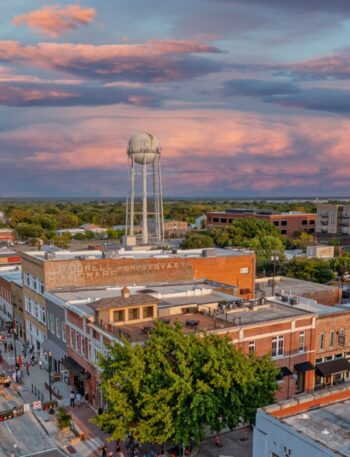

Buying your first home near Dallas can feel like trying to win a race after the whistle already blew. Prices climbed, mortgage payments got heavier, and many popular suburbs started acting like luxury markets in work boots. That is why Mesquite Texas keeps showing up in quiet buyer conversations. It offers a closer-in Dallas suburb option where first time buyers can still find older homes, practical layouts, everyday shopping, and a commute that does not push them to the far edge of North Texas.
This is not a fantasy bargain town where every house is cheap and every block is perfect. The appeal is more grounded than that. Mesquite gives buyers a chance to trade polish for position. You may get a 1970s brick house that needs flooring, paint, or an HVAC check, but you also get access to Dallas jobs, established neighborhoods, and a city large enough to have its own civic life.
For readers comparing suburbs, local housing market visibility matters because the best entry-level areas are rarely the loudest ones. They are the places where a buyer can still make a calm, numbers-first decision before competition catches every corner of the map.
Why Mesquite Texas Still Looks Reachable Near Dallas
A first home is not only a purchase. It is a pressure test. You are weighing the down payment, monthly payment, insurance, taxes, commute, schools, repair risk, and whether you can still afford groceries after closing. In that kind of math, Mesquite has a role that flashier Dallas suburbs cannot play as easily. It sits close enough to Dallas to feel connected, but it often prices below the northern suburbs that dominate relocation chatter.
The city’s appeal starts with its shape. Mesquite is not a tiny bedroom community with one strip center and a highway exit. It has about 150,000 residents, older subdivisions, retail corridors, parks, schools, and a long housing history. The U.S. Census Bureau reports a median owner-occupied home value of $245,700 for 2020–2024, while the Dallas-Fort Worth-Arlington metro’s median listing price reached $435,999 in May 2026 through Realtor.com data reported by FRED. That gap does not mean every listing is low. It does explain why price-sensitive buyers pay attention.
Why first homes here often come with trade-offs
Entry level homes in Mesquite tend to ask buyers for patience. You may find a house with solid bones and a plain kitchen. You may see a clean brick ranch with one small bathroom too few. You may like the yard but dislike the carpet. That is the local bargain hiding in plain sight: affordability often comes through age, not through weakness.
This matters because many first time buyers shop emotionally at first. They want the bright kitchen, the big island, the newer roof, and the perfect bathroom tile. Then the lender shows the payment. Reality has a way of taking the shine off quartz counters.
Mesquite rewards a different buyer. The smart move is not chasing the most photogenic house online. It is finding a home where the expensive items are sound: roof, foundation, electrical, plumbing, HVAC, drainage, and windows. Paint can wait. A bad slab cannot.
A real example is the buyer choosing between a newer far-out home and an older Mesquite home near familiar routes into Dallas. The newer home may look cleaner on day one. But if the commute grows by 25 minutes each way, the hidden cost becomes time, fuel, stress, and fewer evenings at home. A lower sticker price does not help if the daily life feels stretched.
The Dallas suburb value is about access, not glamour
Mesquite works best when you judge it by access. It gives buyers a route into Dallas without asking them to live in the most expensive parts of the metro. That is the point. A Dallas suburb does not need boutique coffee on every block to be useful. It needs workable roads, daily services, housing stock, and a price that leaves room for normal life.
The counterintuitive part is that older suburbs can be safer bets for some first buyers than brand-new outer subdivisions. New houses come with fresh finishes, but they can sit farther from job centers. Older suburbs may need more repairs, yet they often come with shorter access to work, medical care, retail, and family networks.
Mesquite’s average commute, reported by the Census Bureau at 32.1 minutes for workers age 16 and older from 2020–2024, tells you this is not a five-minute dream for everyone. Still, many buyers see it as a tolerable middle ground. It is close enough to Dallas to stay in the employment orbit, but not priced like the suburbs that turned into status symbols.
That is the heart of the choice. You are not buying bragging rights. You are buying a launchpad.
The Real Cost Picture for First Time Buyers
The monthly payment is where the dream gets honest. A house can look affordable on the listing page and feel tight after taxes, insurance, mortgage insurance, utilities, and repairs join the room. Mesquite’s draw is that it may lower the starting price enough for buyers to breathe. It does not remove the need for sharp math.
First time buyers should treat affordability as a monthly rhythm, not a listing price. A $260,000 house with higher taxes, an older roof, and an insurance premium that bites can feel more expensive than expected. A $290,000 house with better systems and fewer near-term repairs may be easier to live with. The cheaper home is not always the lower-cost home.
Why the payment matters more than the price tag
A lot of buyers still talk about home prices like it is 2019. That is a mistake. Higher mortgage rates changed the story. The same price can produce a different payment depending on the rate, down payment, taxes, and insurance. That is why an entry-level buyer should shop backward from the monthly payment before falling in love with any address.
Mesquite can help because the starting prices often sit below many Dallas-area alternatives. But the buyer still needs a repair reserve. Older homes are not bad homes. They are honest homes. They tell you, sooner or later, what previous owners fixed and what they ignored.
A practical buyer might set aside money for inspection follow-ups before planning furniture. That sounds boring. It is also how people keep a first home from becoming a financial trap.
Here is a clean way to think about it: the house should not take every dollar you have. If closing leaves you unable to handle a water heater, fence repair, or deductible, the deal is too tight. Mesquite may open the door, but cash discipline keeps you inside.
How local taxes, insurance, and repairs shape the deal
Texas has no state income tax, but property taxes are a major part of the homeownership equation. Buyers moving from another state sometimes miss that. The payment they imagined can rise once taxes and insurance are added. In North Texas, insurance also deserves attention because hail, wind, roof age, and claim history can affect premiums.
This is where an older Mesquite home needs a careful review. Ask about roof age. Look at drainage after rain. Read the seller’s disclosure closely. Pay attention to foundation movement signs, especially in areas with clay soil. A house can still be a good buy with issues, but only if the price and repair plan make sense.
A non-obvious insight: the best entry-level deal is often the house with boring updates, not stylish updates. A new roof, clean sewer line, updated electrical panel, and maintained HVAC system may not win social media. They can save a first buyer from ugly surprises.
Buyers should also compare the cost of owning with the cost of renting in their current life. The Census Bureau places median gross rent in the city at $1,513 for 2020–2024, but current rental choices vary by size, location, and condition. The real question is not “Is buying always cheaper?” It is “Does buying give you stability at a payment you can survive?”
That answer changes from household to household. A couple with steady jobs and local family support may feel ready. A single buyer with rising income but thin savings may need six more months. Both can be smart.
For deeper planning, a buyer should pair local listings with first home budgeting steps before touring too many houses. Touring without a budget turns every showing into theater.
Neighborhood Feel, Commute, and Daily Life
A home is not lived in on a spreadsheet. You feel it at 7:30 a.m. when traffic is thick. You feel it when a grocery run takes ten minutes instead of thirty. You feel it when relatives can visit without treating your house like a road trip. Mesquite’s case for buyers is strongest when the daily map makes sense.
The city sits east of Dallas, with access points that can work for people commuting into Dallas, Garland, Balch Springs, Forney, or other parts of the eastern metro. That does not mean every route is painless. North Texas traffic has a talent for humbling confident drivers. Still, compared with moving far beyond the metro edge, Mesquite can keep many buyers closer to the life they already know.
What buyers should test before choosing a block
Do not judge a neighborhood from a Saturday afternoon showing. Test it. Drive the route on a weekday morning. Come back near dinner. Walk the block if it is safe and practical. Look for how people keep their yards, where cars park, how loud the road feels, and whether the street seems settled or neglected.
This is not about being picky in a snobbish way. It is about knowing what you are buying. Two homes five minutes apart can feel different after dark, during school pickup, or when traffic backs up near a major road.
Mesquite has a mix of subdivisions, older residential pockets, apartment corridors, retail areas, and busier streets. Some buyers want quiet. Others want quick access to shopping, restaurants, and highways. Neither is wrong. The mistake is pretending location preferences are small details.
A concrete example: a buyer may choose a smaller house near a familiar route to work over a larger house tucked deeper into a subdivision. On paper, the larger home wins. In real life, the shorter daily drive may protect sleep, family time, and patience. That is not soft value. That is life value.
Why established suburbs can feel more livable than they look online
Newer suburbs often photograph better. Wider roads, newer facades, fresh shopping centers, and matching rooftops create an easy sense of order. Established suburbs like Mesquite can look uneven online because the housing stock varies. One block may show pride of ownership. Another may need attention. That unevenness can scare buyers who expect every suburb to look polished.
But the same unevenness can create buying room. A city with older homes gives buyers more ways to enter. There may be smaller houses, fixer-light options, estate sales, and homes owned for many years. That variety matters when your budget is tight.
The non-obvious insight is that consistency can cost more than character. Perfectly uniform subdivisions often price in the comfort of sameness. Mesquite may ask you to evaluate block by block, but that work can reveal value other buyers miss.
Daily life also matters beyond the house. Mesquite has retail anchors, local restaurants, schools, public services, and civic identity. It is not only a spillover zone for Dallas. It has its own rhythm. Buyers who treat it as a real city, not a backup plan, will make better decisions.
This is also where personal priorities should beat online rankings. A national “best suburb” list may ignore your commute, your aunt who helps with childcare, or your job near East Dallas. Your best suburb is the one that works on a Wednesday, not the one that wins a blog badge.
How to Buy Smart in an Affordable Entry-Level Market
Affordable markets attract hope. They also attract rushed decisions. When buyers hear that a suburb is still reachable, they may panic and write offers too quickly. That is dangerous. Mesquite can be a strong fit, but only for buyers who inspect carefully, compare blocks, and know their walk-away number.
The goal is not to buy any house because it is cheaper than Richardson, Plano, or parts of Dallas. The goal is to buy a house that improves your life without swallowing your future. That takes discipline, and discipline is harder when you are tired of renting.
What to inspect before falling in love
Start with structure and systems. Foundation condition matters in North Texas. Roof age matters. HVAC age matters. Plumbing matters. Electrical safety matters. Drainage matters. Cosmetic flaws should sit lower on the worry list unless they point to deeper neglect.
A good inspector is not a luxury here. Neither is a real estate agent who understands older suburban homes. You want someone willing to say, “This one looks cute, but the repair risk is wrong for your budget.” That sentence can save you years of regret.
Look closely at seller concessions too. In a softer market, some sellers may help with closing costs or rate buydowns. That can help first time buyers reduce cash pressure. But do not let a concession distract from a bad house. A few thousand dollars at closing will not fix a foundation surprise.
One useful tactic is to build a repair ladder. Put needs in order: safety, water control, major systems, comfort, appearance. If the house needs too many items from the first two categories, step back. You are buying a home, not adopting a construction project.
When waiting is smarter than forcing a deal
The hardest truth for buyers is that not every affordable home should be bought. Sometimes the better move is waiting, saving more cash, improving credit, or watching listings for another season. That does not mean you failed. It means you are refusing to let urgency write your mortgage.
Mesquite’s entry-level appeal can tempt buyers to stretch because they fear being priced out later. That fear is understandable. It is also a poor negotiator. A calm buyer compares total payment, inspection findings, commute, resale basics, and the cost of repairs before making a final call.
The counterintuitive point: a slightly higher-priced home can be the more conservative choice if it has fewer major risks. Buyers often equate lower price with safety. Sometimes it is a warning label.
Think about resale too. First homes are often not forever homes. Look for features that future buyers will still want: usable bedroom count, decent parking, functional layout, access to major routes, and a block that feels cared for. You cannot control the whole market, but you can avoid buying the strangest house for your needs.
A buyer comparing Dallas-side suburbs should also read affordable suburb comparison tips before making a final short list. The right comparison is not only price against price. It is price against payment, location, repair risk, and daily life.
Conclusion
A first home near Dallas does not have to be a trophy. It has to work. That is why Mesquite deserves a serious look from buyers who care more about stability than status. The city offers older housing stock, practical access, and a price profile that can still make sense for careful shoppers.
The smart buyer will not treat Mesquite Texas as a magic answer. It is a market with trade-offs, and those trade-offs need clear eyes. Some homes will need too much work. Some blocks will not fit your life. Some payments will look fine until taxes, insurance, and repairs tell the full story.
Still, the opportunity is real for buyers who prepare well. Study the commute. Inspect the house. Keep cash after closing. Choose boring strength over shiny weakness. In a metro where many first buyers feel pushed farther out each year, a grounded Dallas suburb with reachable homes is worth more than hype.
Buy the house that lets you sleep at night, not the one that only looks good on listing day.
Frequently Asked Questions
Is Mesquite a good Dallas suburb for first time home buyers?
Yes, it can be a good fit for buyers who want a closer-in Dallas suburb with more reachable housing than many northern suburbs. The best results come from careful block-by-block research, strong inspections, and a payment that leaves room for repairs.
Are homes in Mesquite more affordable than the Dallas-Fort Worth average?
Often, yes. Census owner-value data for the city sits well below the broader metro listing-price data from Realtor.com through FRED. Current listings still vary by size, condition, and location, so buyers should compare live prices before deciding.
What should first time buyers inspect most carefully in older Mesquite homes?
Focus on foundation, roof, HVAC, plumbing, electrical systems, drainage, and signs of past water issues. Cosmetic updates matter less than expensive systems. A plain house with sound basics can be a better buy than a stylish home hiding repair risk.
How long is the commute from Mesquite to Dallas?
Commute times depend on the exact neighborhood, job location, and traffic pattern. Census data reports a mean travel time to work of 32.1 minutes for Mesquite workers from 2020–2024, but buyers should test their own route during peak hours.
Is Mesquite better than buying farther outside Dallas?
It depends on your job, budget, and tolerance for driving. Farther suburbs may offer newer homes, but they can add commute costs and time. Mesquite may offer a better balance for buyers who value access over newer construction.
Do first time buyers need a larger repair budget in Mesquite?
Many homes are older, so a repair reserve is wise. That does not make the market risky by default. It means buyers should plan for maintenance from day one and avoid using every dollar on the down payment and closing costs.
What type of buyer is the best fit for Mesquite?
The best fit is a practical buyer who wants Dallas-area access, accepts older-home trade-offs, and values monthly affordability over luxury finishes. It works well for people willing to inspect carefully and improve a home over time.
Should I rent longer or buy now in Mesquite?
Buy when the payment, repair risk, and commute all fit your life. Renting longer can be smarter if savings are thin or credit needs work. A rushed purchase can cost more than another lease term if the house needs major repairs.