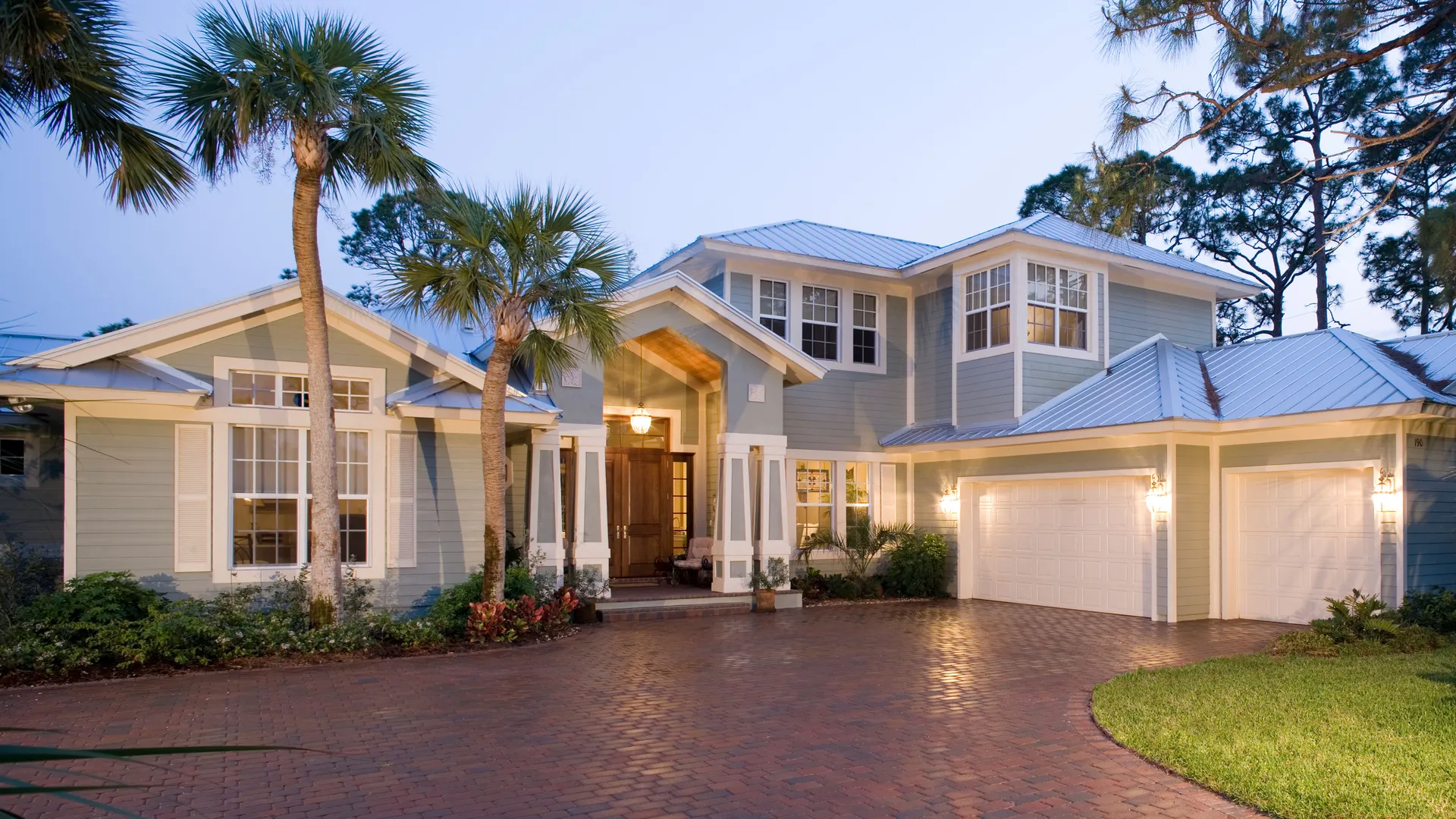
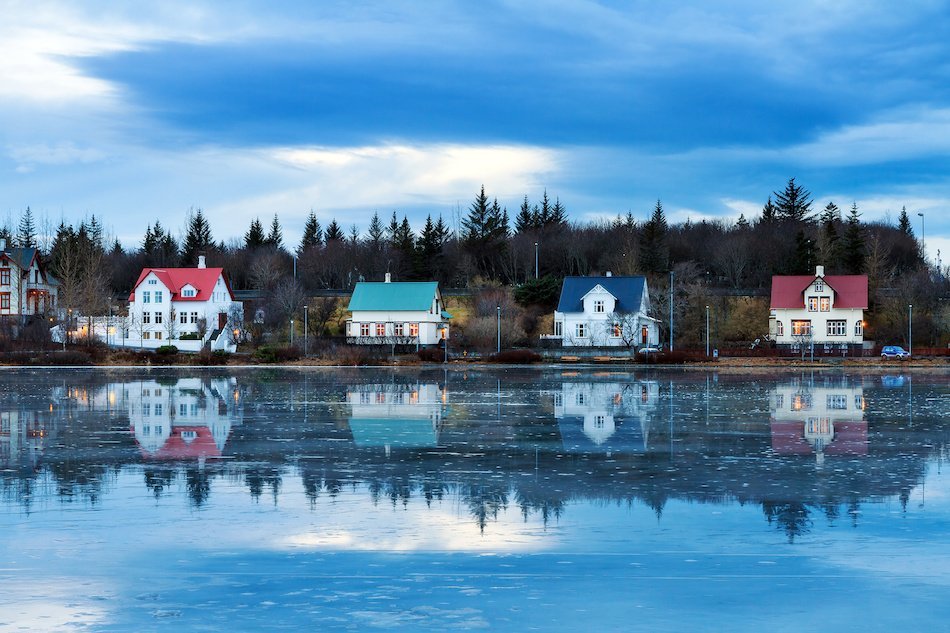
A place near the beach, lake, hills, or your favorite quiet town can feel like freedom with a front door. The danger is that a dream property can start behaving like a second job the moment you own it. Buying a vacation home sounds simple when you picture long weekends and family stays, but the real decision sits in the gap between how often you think you will use it and how much it asks from you when you are not there. A smart buyer looks past the view and studies the full life of the property: bills, upkeep, local rules, access, resale strength, and the emotional pull that can cloud judgment. Reliable property guidance from trusted real estate resources can help you slow the process down before excitement starts making decisions for you. The right place can become a long-term asset, a family retreat, and a source of calm. The wrong one can drain money in silence.
What a vacation home demands after the excitement fades
The first few weeks of ownership feel different from the third winter, the fifth repair bill, or the first storm season when you are hours away. That is where the truth lives. A place used for rest still needs systems, oversight, insurance, cleaning, security, and steady attention. The buyer who wins is not the one who falls hardest for the property; it is the one who understands the work behind the pleasure.
Why second home ownership is more than extra space
A second home is not a spare bedroom with a better view. It is another household with its own rhythm, risks, and weak spots. You may not notice a small roof leak at your main residence for a day or two, but a leak in a faraway property can sit unnoticed until it stains ceilings, damages floors, and turns a small fix into a painful bill.
Distance changes everything. A broken water heater becomes a phone call chain. A missing key becomes a guest problem. A power outage becomes a freezer full of spoiled food. None of these issues makes ownership a bad idea, but they prove that convenience should weigh as much as charm.
Strong buyers build a local support circle before they need one. That might include a cleaner, plumber, electrician, handyman, landscaper, and neighbor who can check the place after heavy weather. Without that circle, the property owns your weekends instead of improving them.
The hidden maintenance costs buyers tend to ignore
Maintenance costs feel harmless when they sit on a spreadsheet. They feel different when they arrive in clusters. Seasonal homes often sit empty for long stretches, and empty houses age in strange ways. Pipes freeze, pests move in, decks warp, paint fades, and humidity finds every weak seam.
Coastal homes can demand frequent exterior care because salt air is rough on metal, paint, doors, and outdoor fixtures. Mountain cabins may need snow removal, driveway repair, pest control, chimney service, and heating checks. Lake properties may bring dock repairs, erosion control, or extra insurance requirements.
The trap is not one huge expense. It is the steady drip. Set aside money for repairs before the first problem appears, because a property that depends on perfect luck is not an investment. It is a gamble with curtains.
Choosing the location beyond the postcard view
Once the ownership burden makes sense, location deserves a colder look. A beautiful setting can still make daily use difficult, and a famous destination can disappoint if the area does not match how you live. The better question is not “Do I love this place?” It is “Will this place still fit my life when travel, weather, crowds, and routine enter the picture?”
How holiday property access affects real use
A holiday property that takes six hours to reach may sound fine during the buying stage. After a long workweek, that same drive can turn into a reason not to go. The more effort it takes to reach the property, the less often you may use it, and unused enjoyment is an expensive kind of fantasy.
Access also changes by season. A road that feels easy in June may become stressful in heavy rain, snow, or peak tourist traffic. Ferry schedules, flight delays, mountain roads, and limited parking can all affect whether the place feels like an escape or a chore.
Think through a normal Friday. You finish work, pack the car, handle traffic, arrive late, open the house, check for problems, turn on systems, and settle in. If that sounds tiring now, it will not become easier after the novelty fades.
Reading the local market before buying
A pretty town can hide a weak market. Some destinations depend on one attraction, one season, or one type of visitor. That can hurt resale strength and limit rental income if demand shifts. A property should not depend on perfect conditions to make sense.
Study how the area behaves during off-season months. Empty streets may offer peace, but they can also mean closed restaurants, limited services, fewer contractors, and lower rental income. A place that feels lively only eight weeks a year may still work for personal use, but it needs to be priced with that limit in mind.
Local rules matter as much as scenery. Some areas restrict short-term rentals, parking, renovations, pets, beach access, dock use, or exterior changes. A buyer who skips those details may discover after closing that the dream came with a rulebook nobody mentioned.
Making the numbers honest before you commit
After location, the financial side needs more than a quick mortgage estimate. The purchase price is only the front door of the cost. Real ownership includes taxes, insurance, repairs, travel, furnishing, utilities, cleaning, management, and the lost flexibility of having money tied up in one place. This is where emotion must sit down and let math speak.
Why rental income should not carry the deal
Rental income can help, but it should not rescue a weak purchase. Many buyers imagine full calendars, respectful guests, and steady deposits. The real picture includes empty weeks, platform fees, cleaning gaps, guest damage, local taxes, permit rules, reviews, refunds, and higher wear on furniture and systems.
A property that only works when rented at near-perfect occupancy is fragile. Bad weather, new local rules, travel slowdowns, or more competition can cut bookings. Even one rough season can expose a plan built on hope instead of margin.
Run the numbers in three versions: personal use only, modest bookings, and a weak rental year. If the property still makes sense in the weak version, you have breathing room. If not, the income is not a bonus; it is life support.
Building a budget that includes the boring bills
The boring bills decide whether ownership feels peaceful. Insurance can cost more in coastal, fire-prone, flood-prone, or storm-exposed areas. Property taxes may rise. Utility bills can stay active even when no one is there. Security systems, internet, pest control, lawn care, pool service, and cleaning all keep charging while the house sits quiet.
Furnishing also costs more than people expect. A rental-ready place needs durable beds, seating, cookware, linens, locks, outdoor furniture, storage, and replacements. A personal retreat still needs enough comfort that every visit does not begin with errands.
Create a yearly ownership budget, not a monthly guess. Monthly numbers can hide seasonal spikes. Annual thinking shows the real shape of the commitment and prevents a cheerful purchase from turning into a slow financial squeeze.
Protecting your lifestyle, family plans, and exit options
Money and location matter, but the deeper question is how the property fits your life. A second home can bring people together, or it can create obligation, disagreement, and guilt. The strongest purchase is one that serves your future instead of trapping you inside an old version of your dream.
Matching the property to how you actually spend time
Many buyers shop for the life they wish they had. They buy a large house for family gatherings that happen twice a year, a remote cabin when they dislike long drives, or a beach place when their work schedule rarely allows summer travel. The property may be beautiful and still wrong.
Look at your past behavior, not your imagined future. Where did you travel last year? How often did you return to the same place? Do your children, partner, parents, or friends enjoy the destination too? A holiday property should match proven patterns, not rescue habits that never existed.
Family use also changes. Children grow, parents age, jobs shift, and travel tastes move. A property that fits one chapter may not fit the next. Flexibility matters because life refuses to freeze itself around a deed.
Planning your exit before you fall in love
Exit planning sounds pessimistic, but it is one of the calmest things a buyer can do. The best time to think about selling is before you buy, while your judgment still has room to breathe. A property with strong access, broad buyer appeal, sound systems, and clear legal standing gives you options.
Avoid features that narrow the buyer pool too much. A steep driveway, odd layout, remote location, high fees, or strict rental ban may be acceptable to you, but resale depends on other people seeing value too. Love can be personal. Resale is public.
Talk through the exit plan with anyone financially involved. Decide what would trigger a sale: rising costs, reduced use, family changes, poor rental performance, or a better investment need. That conversation may feel dull, but dull conversations prevent dramatic ones later.
Conclusion
The smartest purchase is not the one that photographs best. It is the one that still feels wise after the bills arrive, the weather changes, the rental calendar slows, and your life gets busy again. A vacation home can give you a place to return to, a rhythm your family remembers, and an asset that grows in meaning over time. It can also become a polished burden if you buy the fantasy and ignore the structure beneath it. Slow down before you sign. Walk through the numbers, the distance, the upkeep, the local rules, and the exit plan with the same attention you give the view from the porch. Your next step is simple: write a full one-year ownership plan before making an offer, then let that plan decide whether the dream deserves your money.
Frequently Asked Questions
What should I check before buying a second home?
Check total yearly costs, access, local rules, insurance needs, repair risks, and how often you will use it. A second home should fit your real schedule and budget, not a future version of yourself that may never arrive.
How much money should I save for maintenance costs?
Set aside enough to cover routine care, emergency repairs, seasonal service, and larger replacements. Maintenance costs vary by location and property type, but remote, coastal, mountain, and older homes usually need a stronger reserve.
Is rental income worth relying on for a holiday property?
Treat rental income as a bonus, not the foundation of the purchase. Bookings can shift because of weather, rules, competition, and travel trends. The property should still make sense during a slower rental year.
What makes a holiday property easier to manage?
A manageable holiday property has reliable local help, easy access, simple systems, durable materials, and clear rules. The fewer surprises it creates while you are away, the more likely ownership will feel enjoyable.
Should I buy in a popular tourist area or a quieter location?
Choose based on your goal. Tourist areas may offer stronger rental demand and resale appeal, while quieter places may give you better personal use and lower stress. The right choice depends on how you plan to use the property.
How do I know if a second home is a good investment?
A good investment has fair pricing, broad buyer appeal, manageable costs, strong access, and a market that does not depend on one short season. Personal enjoyment matters too, but the numbers must stand on their own.
What local rules matter before buying a holiday property?
Review short-term rental rules, zoning, permits, parking limits, renovation restrictions, homeowners association terms, beach or lake access, and tax obligations. Local rules can change how you use the property and how much income it can produce.
When should I walk away from a second home purchase?
Walk away when the budget depends on perfect rental results, the location is harder to reach than you admit, inspections reveal major problems, or local rules block your plans. A missed property hurts less than years of regret.