
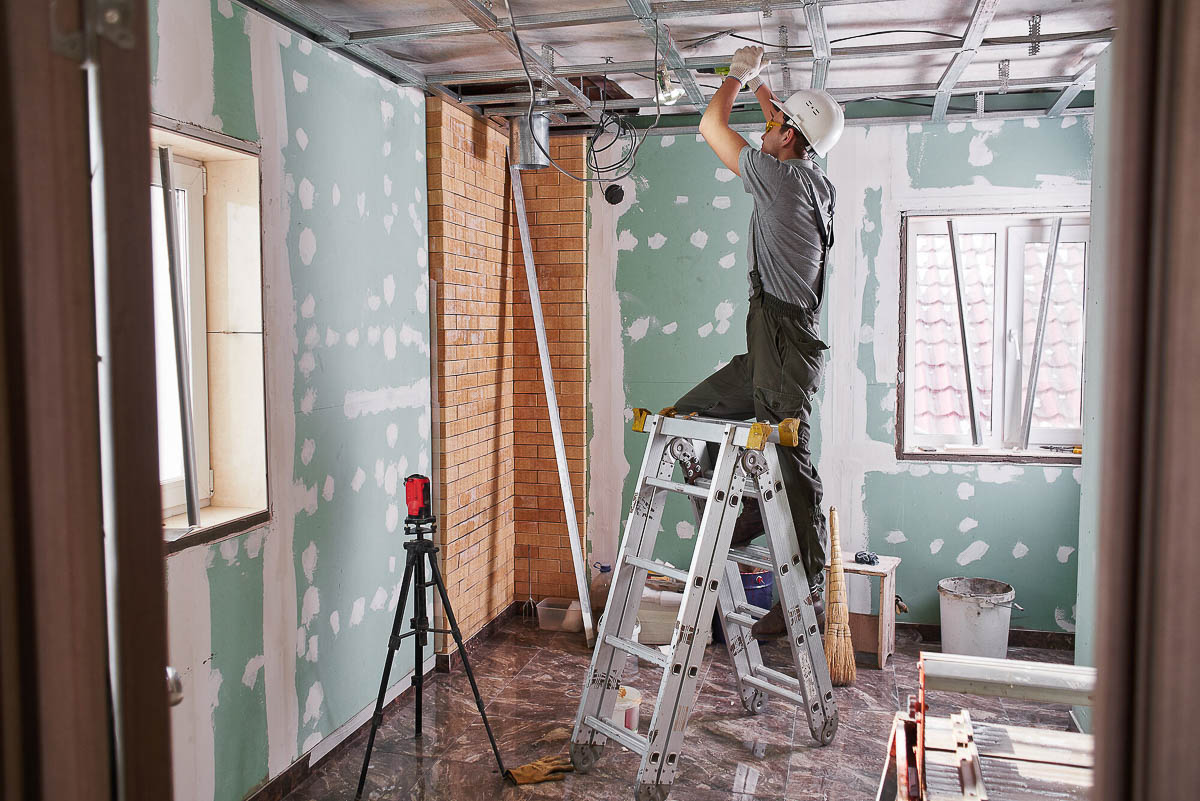
A beautiful house can still hide expensive trouble. Fresh paint, staged furniture, and bright lighting can make a tired property look healthier than it is, especially when you are excited and trying to picture your life inside it. The smart move is to slow down and read the home like a mechanic reads an engine. You are not trying to become a contractor overnight; you are trying to spot whether home repairs are likely to become part of the real price.
That shift matters because the listed price is only the beginning of the story. A house with roof leaks, weak plumbing, old wiring, or poor drainage may cost far more than a cleaner-looking property with a higher asking price. Buyers who study reliable housing guidance and trusted real estate resources often make calmer choices because they know what to inspect before emotion takes over. A careful look at the structure, systems, surfaces, and surroundings gives you power. It tells you when to move forward, when to negotiate, and when to walk away before someone else’s neglect becomes your financial headache.
Start With the Parts of the House That Cannot Lie
Cosmetic upgrades can distract you, but the bones of the house usually tell the truth. Walls, ceilings, floors, rooflines, and foundations reveal how the property has been treated over time. A neat room can be arranged in an afternoon, but a sagging floor or cracked exterior wall carries a longer history. This is where your first walk-through should feel less like shopping and more like listening.
Read the walls, ceilings, and floors before judging the décor
Clean paint can hide old stains, but it cannot always hide movement. Look for cracks that run diagonally from door frames, gaps where walls meet ceilings, or ripples in drywall. Small hairline cracks may come from normal settling, but wide or uneven cracks deserve attention because they can point to foundation movement or poor framing.
Floors speak in their own way. A floor that slopes toward the center of a room, bounces under your feet, or feels soft near bathrooms may hint at water damage or structural wear. One weak board is not a crisis, but a pattern across several rooms changes the conversation.
Ceilings deserve the same patience. Brown rings, bubbling paint, or patches with a different texture often signal past leaks. The counterintuitive part is that a dry ceiling stain still matters. A seller may say the leak was fixed, but unless the roof, pipe, or drain issue was properly repaired, the stain may be a warning dressed as old news.
Notice exterior clues before you step inside
The outside of a house sets the tone before you reach the front door. Stand across the street and look at the roofline, gutters, siding, porch, and grading. A roof that waves, dips, or has missing shingles can lead to major costs, especially if water has already entered the attic.
Gutters should carry water away from the property, not dump it beside the foundation. Soil that slopes toward the house, standing water near walls, or moss growing along lower siding can all point to drainage trouble. Poor drainage rarely looks dramatic at first. Then a rainy season arrives, and the basement tells the truth.
Windows and doors also give useful signals. Frames that look swollen, peeling, or soft may have absorbed water. Doors that stick badly can point to humidity, poor installation, or shifting structure. A single sticky door may mean little; several misaligned openings across the house deserve a closer look.
Use a Home Inspection Checklist Without Treating It Like a Box-Ticking Game
A home inspection checklist helps you stay steady when emotions rise. The mistake is treating it as a simple list instead of a way to connect clues. A cracked tile, musty smell, and slow drain may seem unrelated at first, but together they can point toward moisture problems. A smart buyer looks for patterns, not isolated defects.
Check plumbing where problems usually hide
Plumbing issues rarely announce themselves politely. Turn on taps, flush toilets, open vanity cabinets, and look under sinks for stains, swelling, rust, or active drips. Weak water pressure in one faucet may be a fixture issue, but weak pressure throughout the house can suggest older pipes, supply problems, or buildup.
Bathrooms need extra attention because water damage often starts there. Soft flooring near the toilet, loose tiles around the tub, or dark caulking around showers can signal leaks that have been ignored. A bathroom can look clean and still have trouble behind the walls.
The kitchen can reveal daily wear faster than almost any other room. Look under the sink, near the dishwasher, and around the refrigerator water line if one exists. A well-kept kitchen does not need to look new, but it should feel dry, stable, and maintained.
Test electrical signs with common sense and caution
Electrical problems can be easy to miss because most buyers do not remove panels or test circuits deeply during a showing. Still, you can spot signs that call for a licensed inspector. Flickering lights, warm switch plates, buzzing outlets, missing covers, or too few outlets in older rooms all deserve attention.
Look at the age and condition of visible wiring where safe, such as in basements, garages, or utility rooms. Messy extension cords, overloaded power strips, or random wiring additions can show how the home has been used. That matters because unsafe shortcuts often grow from years of small conveniences.
A home inspection checklist should never replace a professional inspection, but it helps you ask better questions. When you know what you saw, where you saw it, and why it bothered you, you move from vague concern to clear negotiation. Sellers respond differently to details than they do to anxiety.
Estimate Home Repairs Before You Negotiate
The inspection stage is not only about finding flaws. It is about understanding cost, urgency, and risk. Some problems are annoying but manageable, while others change the value of the deal. You need to separate cosmetic fixes from repairs that affect safety, comfort, and long-term ownership.
Separate small fixes from expensive repair warning signs
Loose handles, worn carpet, chipped paint, and squeaky doors may bother you, but they rarely decide whether a house is worth buying. Expensive repair warning signs usually involve water, structure, roofing, electrical safety, heating and cooling, or drainage. Those are the areas where delay can turn a manageable issue into a punishing bill.
A roof near the end of its life should change your offer. So should an old electrical panel, recurring basement moisture, or a heating system that struggles during mild weather. These issues affect more than appearance. They affect insurance, comfort, resale, and your ability to budget with confidence.
One hidden trap is the “small repair” that keeps coming back. A seller may patch drywall near a window, but if the flashing outside is failing, the patch only resets the clock. Repeated symptoms matter more than the size of the visible mark.
Match repair urgency to your buying timeline
Every defect does not need to scare you away. A house can need work and still be a sound purchase if the price reflects the condition and the repairs fit your timeline. The danger comes from buying a property that needs immediate money you do not have.
Create three mental buckets: urgent repairs, near-term repairs, and future improvements. Urgent repairs affect safety or active damage, such as leaks, exposed wiring, or failing structural elements. Near-term repairs may include aging appliances, worn exterior paint, or a water heater nearing replacement. Future improvements are the changes you want, not the fixes the house demands.
This approach keeps negotiation clean. Instead of asking for money off because the house “needs work,” you can point to specific repair warning signs and explain why they affect value. Clear reasoning carries weight. Vague frustration does not.
Judge the Whole Property Condition, Not One Shiny Room
A house should be judged as a complete living system. Roof, drainage, ventilation, insulation, plumbing, electrical work, and daily maintenance all connect. One remodeled kitchen cannot cancel out a damp crawl space. When you are buying a house, the real question is not whether the property looks good today; it is whether it has been cared for in a way that protects tomorrow.
Study maintenance habits in the small details
Small details often reveal the owner’s habits. Clean furnace filters, labeled breaker panels, tidy utility spaces, clear gutters, and sealed exterior gaps show care. Neglected caulk, dirty vents, loose railings, and patched damage without explanation suggest a different pattern.
Documentation matters too. Ask about receipts, permits, warranties, and service records. A seller who can show when the roof was replaced, when the HVAC system was serviced, or who handled major work gives you a clearer picture of property condition. Missing paperwork does not always mean trouble, but it does mean you should verify more.
Maintenance is not about perfection. Plenty of good homes have worn corners, dated finishes, and ordinary age. The key is whether the wear feels honest or suspicious. Honest age looks consistent. Suspicious age appears where water, movement, heat, or shortcuts have left their mark.
Look beyond the house to the land around it
The land around a home can create repair costs inside it. Trees too close to the roof can damage shingles and clog gutters. Roots can affect drains or walkways. Poor grading can send rainwater into basements, crawl spaces, and foundations.
Driveways, retaining walls, patios, and fences also tell part of the story. Cracked pavement that slopes toward the house, leaning walls, or rotting deck posts may not feel urgent during a showing, but they add cost after closing. Outdoor repairs can be easy to underestimate because they sit outside the emotional center of the home.
When you are buying a house, step back and ask whether the property works as a whole. A good structure on a poorly managed lot can still become expensive. A modest home with sound drainage, dry spaces, and stable systems may serve you better than a prettier house carrying quiet damage.
Conclusion
A careful buyer does not need to fear every crack, stain, or squeak. Houses age, materials wear down, and even well-loved homes need attention. The real skill is knowing which signs are normal and which ones point to deeper cost. Once you start looking past surface charm, the house becomes easier to understand.
The best decisions happen when you combine observation with professional judgment. Walk through slowly, take notes, photograph concerns, ask for records, and never treat a seller’s reassurance as proof. A qualified inspector can confirm what your eyes suspect and uncover what your eyes cannot reach.
The smartest way to handle home repairs is to price them before you inherit them. That does not mean every flawed house is a bad purchase. It means the numbers, timing, and risk need to make sense before you sign. Before you fall in love with the living room, make the property prove it can stand behind the promise.
Frequently Asked Questions
How can I tell if a home needs major repairs?
Look for repeated signs across the property, not one isolated flaw. Roof damage, foundation cracks, water stains, soft floors, outdated wiring, and poor drainage often point to larger repair needs. A professional inspection should confirm the size and urgency of each issue.
What should I check first when viewing an older home?
Start with structure, roof, plumbing, electrical systems, and moisture signs. Older homes can have charm, but age often hides behind walls, under floors, and inside utility areas. Cosmetic updates matter less than whether the main systems still work safely.
What are common signs of water damage in a house?
Brown ceiling stains, bubbling paint, musty smells, warped flooring, soft drywall, mold spots, and swollen trim can all suggest water damage. Check bathrooms, kitchens, basements, attics, and areas around windows because leaks often begin there before spreading.
Should I buy a house that needs repairs?
A repair-needed house can be worth buying when the price, repair costs, and timeline make sense. Avoid deals where urgent repairs exceed your budget or where serious issues remain unclear. A lower price only helps when you know what you are taking on.
How do I use a home inspection report before buying?
Read the report by priority, not page count. Focus first on safety issues, active leaks, structural concerns, roof problems, and major system defects. Then use contractor estimates to decide whether to negotiate repairs, request credits, or reconsider the purchase.
What repair issues should make me walk away?
Major foundation movement, severe roof failure, unsafe electrical work, widespread mold, repeated flooding, or unpermitted structural changes can justify walking away. The issue is not fear; it is whether the risk is too large, too hidden, or too expensive to control.
Can fresh paint hide serious home problems?
Fresh paint can cover stains, cracks, and past water marks, but it cannot erase the cause. Look for uneven patches, new paint in only one area, musty smells, or soft surfaces nearby. When paint feels like a disguise, inspect deeper.
How much should I budget for repairs after buying a house?
Set aside money for both known repairs and surprises. Even a well-inspected home can need fixes after move-in. Your budget should reflect the age of the roof, HVAC, plumbing, appliances, exterior materials, and any issues listed in the inspection report