
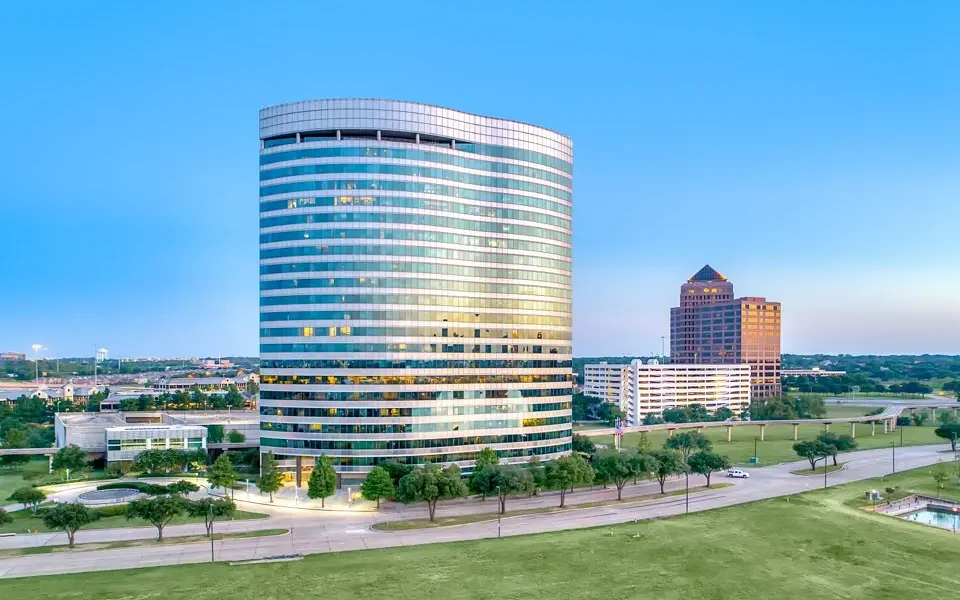
Some cities grow because homes are cheaper. Others grow because offices are nearby. Irving Texas demand comes from the rare place where those two forces keep feeding each other, and Las Colinas sits at the center of that loop. The area gives workers a shorter path to major employers, gives companies access to DFW talent, and gives investors a market where daily life does not feel separated from the office district. For owners, renters, brokers, and small business operators, that matters. A neighborhood that works at 10 a.m. and still has energy at 7 p.m. is harder to replace than a plain commuter suburb. That is why the Las Colinas business district deserves a closer look from anyone tracking market visibility for local businesses or planning a move inside North Texas. Irving had an estimated population of 257,076 in 2025, according to Census QuickFacts, while city materials describe a daytime population that rises with workers coming in.
Why Irving Texas Demand Starts With Job Gravity, Not Hype
Demand in Irving does not begin with a slogan. It begins with where people need to be on a normal Tuesday. Las Colinas has corporate offices, apartment communities, hotels, restaurants, entertainment, convention traffic, and transit stops packed into one planned district. That mix turns real estate into a daily-use product, not a bet on future buzz. The tension is simple: North Texas has many suburbs chasing growth, but not all of them have jobs, housing, and visitor traffic in the same frame. Irving does. That gives the area a steadier base than places that rely on one type of buyer or tenant.
Why employers keep pulling attention toward Las Colinas
The Las Colinas Association describes the area as a major business address with hundreds of companies and close access to both DFW International Airport and Dallas Love Field. That airport position is not a side benefit. For regional teams, consultants, health care groups, finance companies, and sales offices, airport access can shape where leases get signed.
Here is the part people miss. Companies do not choose a district only because executives like the skyline. They choose it because staff, clients, vendors, and travelers can reach it without turning every meeting into a commute problem. A firm based near Lake Carolyn can host a client from another state, pull talent from Dallas or the Mid-Cities, and still offer employees nearby lunch, housing, and hotels.
That practical pull supports commercial real estate demand even when the broader office market feels uneven. CBRE reported 1.8 million square feet of DFW office leasing volume in Q1 2026, with rolling four-quarter activity at 8.3 million square feet. That does not mean every building wins. It means tenants are still making choices, and mixed-use districts with access and amenities tend to stay in the conversation.
How the office base spills into housing choices
A strong office district does not guarantee housing demand by itself. Empty sidewalks after 5 p.m. can make even a shiny office hub feel cold. Las Colinas avoids that trap better than many business areas because it has apartments, restaurants, trails, hotels, and entertainment near the work base. NCTCOG describes Las Colinas as a mixed-use planned community with office towers, retail, residences, apartments, and recreation, with apartment projects near transit stations that can support ground-floor businesses.
That pattern changes how renters think. A young analyst, nurse, consultant, airline employee, or remote worker may not want to own in Dallas yet. They may want an apartment with a shorter commute, a safer-feeling evening walk, and quick rides to Dallas or the airport. Las Colinas answers that in a way a standard bedroom suburb cannot.
The counterintuitive point is that commercial density can make residential life calmer, not busier, when it is planned well. More offices can support more restaurants. More restaurants support more evening foot traffic. More foot traffic can make the district feel less isolated. That is one reason North Texas rental market planning should treat employment centers as housing signals, not background noise.
Las Colinas Business District Works Because It Is Mixed, Not Single-Purpose
The next layer is land use. Many American suburbs were built like separate drawers: homes in one place, offices in another, shops along a road, entertainment somewhere else. Las Colinas was planned with a more layered idea. That does not make it perfect. It still sits inside a car-heavy metro. Yet compared with many office corridors, the Las Colinas business district has more reasons for people to arrive, stay, spend, and return.
What makes mixed-use demand more durable
The official Irving tourism site calls Las Colinas a 12,000-acre master-planned urban hub with residential areas, towers, dining, and entertainment. That scale matters because it gives the district more than one way to stay useful. When office leasing slows, apartments and restaurants still matter. When restaurant traffic dips, hotels and events can help. When residents work from home, they still spend nearby.
Think about Toyota Music Factory on an event night. A visitor might come for a concert, eat nearby, notice the apartments around Lake Carolyn, and realize the area feels less like a standard office park than expected. That small impression is real estate marketing without a brochure. It turns a work district into a place people can picture living.
This is where commercial real estate demand and residential demand start to overlap. Retail follows residents and workers. Hotels follow business travel and events. Apartments follow jobs and lifestyle. Office tenants follow access and image. None of these pieces carries the whole district alone, which is the point.
Why walkable pockets matter in a driving metro
Las Colinas is not Manhattan, and pretending it is would be silly. Most people still use cars for many trips. But walkable pockets inside a driving region carry more value than they get credit for. A renter may still drive to Costco, but if coffee, dinner, a trail, or a music venue sits close by, daily life feels less spread out.
DART adds another layer. The Orange Line serves Irving along with Dallas, Richardson, and Plano, with scheduled rail service seven days a week. The Irving Convention Center Station serves the convention center area and connects riders into the district.
Transit does not have to replace the car to shape demand. It only has to reduce friction for some trips. A worker heading to Dallas, a visitor reaching the convention center, or a renter going to the airport can treat rail as an option. Options matter. They make a district feel less trapped by traffic, which is a quiet but powerful edge in North Texas.
Commercial Demand Is Stronger When Workers Can Picture a Life Nearby
Commercial growth is often discussed through lease rates, vacancy, and square footage. Those numbers matter, but they miss the human test. Can people imagine building a normal week around the place? In Las Colinas, the answer is often yes. That is why employers, apartment operators, and retail owners are not chasing separate audiences. They are often serving the same person at different hours of the day.
Why office tenants care about the neighborhood around them
A company office is no longer judged only by desks and parking. Workers compare the whole day. How long is the commute? Where can they eat? Can they meet a client nearby? Is there a hotel close enough for visiting teams? Can a new hire relocate without feeling stranded?
Las Colinas checks many of those boxes. The Chamber and local tourism materials point to Irving’s large business base, major corporate presence, airport access, and urban business districts as reasons companies pay attention to the area.
The non-obvious insight is that residential demand can protect office demand. When a district gives workers attractive housing nearby, a company gains a hiring story. It can tell recruits, “You do not have to live far away to work here.” That message matters more as workers push back against long commutes.
How small businesses benefit from the same traffic
Small businesses often read a district through a simpler lens: who is here, when are they here, and how often do they come back? Las Colinas gives many local operators several customer streams. Office workers bring weekday lunch and service demand. Residents bring evening and weekend spending. Hotels bring visitors. Events bring bursts of traffic that can expose a restaurant or service brand to new customers.
A coffee shop near an apartment building and office tower does not need one perfect customer. It needs enough repeat patterns. Morning residents, midday workers, afternoon meetings, and weekend visitors can create that pattern. That is why commercial property demand signals should look beyond lease announcements and study daily movement.
There is friction too. Higher-demand districts can raise rents for small operators. Parking expectations can clash with walkable design. Event traffic can be uneven. But those are problems that come from being wanted. A quiet strip center with low rent may feel easier until the lack of traffic becomes the bigger cost.
Residential Demand Follows Convenience, But It Also Follows Confidence
People do not choose a home only from a spreadsheet. They choose the version of life that feels most workable. In Irving, Las Colinas offers a clear promise: live near major job centers, stay connected to Dallas and Fort Worth, and keep daily needs close enough that the week feels manageable. That promise supports residential demand across renters, first-time buyers, relocating employees, and investors.
Why renters see Las Colinas as a practical upgrade
RentCafe listed the average Las Colinas apartment rent at $1,744 in June 2026, with different averages by unit size. That figure can change month to month, but it gives renters and investors a current market reference point.
For many renters, the draw is not cheapness. It is value for the location. A renter may compare Las Colinas with Uptown Dallas, Addison, Plano, or other DFW job hubs. If the rent is not the lowest but the commute is shorter, the area feels safer at night, and the apartment sits near restaurants or trails, the math can still work.
That is the quiet truth about residential demand in mixed-use districts. People pay for removed stress as much as square footage. A shorter drive to work, one less highway trip for dinner, or a nearby rail stop can feel like extra living space because it gives time back.
What buyers and investors should watch before jumping in
Demand does not erase risk. Buyers should still study property taxes, HOA costs, insurance, school fit, building age, and commute routes at the exact address level. Las Colinas is not one price point or one lifestyle. A condo near Lake Carolyn, an apartment near the Urban Center, and a single-family home farther west can behave like different markets.
The official U.S. Census Bureau QuickFacts page is a useful starting point because it gives population, housing, income, and business data in one place. Census data shows Irving has a large resident base, while local sources show that the workday population grows as employees come into the city.
The counterintuitive advice is to avoid judging Las Colinas only by rent growth. Flat or modest rent movement can still be healthy if occupancy, tenant quality, and local income support remain stable. A market that avoids wild spikes may be better for long-term owners than one that burns hot and cools fast.
Conclusion
Irving is not winning attention by accident. It sits in the middle of a large metro, ties into major airports, holds a deep business base, and gives Las Colinas the kind of mixed-use setting that keeps people moving through the area for more than one reason. The best way to read Irving Texas is not as a simple suburb story. It is a job-access story, a housing-choice story, and a lifestyle-convenience story working together. That blend does not remove risk, and smart buyers still need address-level research before making a move. Yet the larger pattern is clear. Districts that connect offices, apartments, transit, food, hotels, and entertainment have a stronger case than places built around one use. Las Colinas has that case today. For renters, investors, and business owners watching North Texas, the smartest move is to study how daily life actually works there before the broader market catches on.
Frequently Asked Questions
Is Las Colinas a good place to live for people working in Dallas?
Yes, it can be a smart choice for workers who want access to Dallas without living in the city center. The area offers apartments, restaurants, office access, and DART rail options, though commute quality depends on the exact workplace and travel time.
Why are companies attracted to Las Colinas in Irving?
Companies often like the mix of airport access, North Texas talent, office space, hotels, and nearby housing. The district also gives visiting clients and employees more nearby options than a plain office park, which helps with recruiting and meetings.
Is residential demand in Las Colinas tied to office jobs?
A large share of demand is linked to jobs, but not all of it. Residents also come for location, restaurants, trails, events, airport access, and a more urban feel inside a suburban setting. That mix spreads demand across several lifestyle needs.
Are Las Colinas apartments expensive compared with other DFW areas?
They can cost more than some outer suburbs, but often less than the highest-priced Dallas urban neighborhoods. Renters usually compare the price against commute savings, amenities, safety, and convenience rather than square footage alone.
What makes the Las Colinas business district different from a normal office park?
It combines office towers, apartments, hotels, restaurants, entertainment, water features, trails, and transit access. That gives the district activity beyond office hours, which helps local businesses and makes nearby housing more attractive.
Is Irving a good market for real estate investors?
It can be, especially for investors who understand job access, tenant demand, taxes, insurance, and property condition. The best opportunities depend on the exact property, not the city name alone. Local rent and vacancy checks still matter.
Does DART access increase housing demand in Las Colinas?
It can help, especially for renters who value airport, Dallas, and event access without driving every trip. Transit is not the only demand driver in the area, but it adds flexibility, which can make nearby apartments more appealing.
What should buyers check before purchasing near Las Colinas?
They should compare taxes, HOA rules, insurance costs, flood or drainage concerns, commute routes, nearby construction, school zones, and resale history. A strong district can still have weak individual properties, so address-level research is the safer path.